
In the rapidly evolving world of commercial interior design, architectural specifiers and hotel procurement teams are constantly seeking materials that perfectly balance aesthetic brilliance with long-term durability. While traditional glass has long been the standard, the modern acrylic bathroom mirror has revolutionized how we approach washroom illumination and safety.
By integrating energy-efficient LED technology with advanced polymer science (PMMA), acrylic-enhanced mirrors are redefining commercial bathroom spaces. This cornerstone guide delves into the engineering principles, design trends, and sourcing strategies behind the acrylic framed LED mirror, providing wholesale buyers and project managers with a comprehensive blueprint for their next large-scale project.
1. The Material Science: Why Specify an Acrylic Bathroom Mirror?
For commercial contractors and hotel developers, every fixture is an investment that must endure years of high-traffic use. Acrylic, scientifically known as Polymethyl Methacrylate (PMMA), offers unparalleled advantages over traditional frosted glass when used in illuminated mirrors.

1.1. Superior Light Transmittance
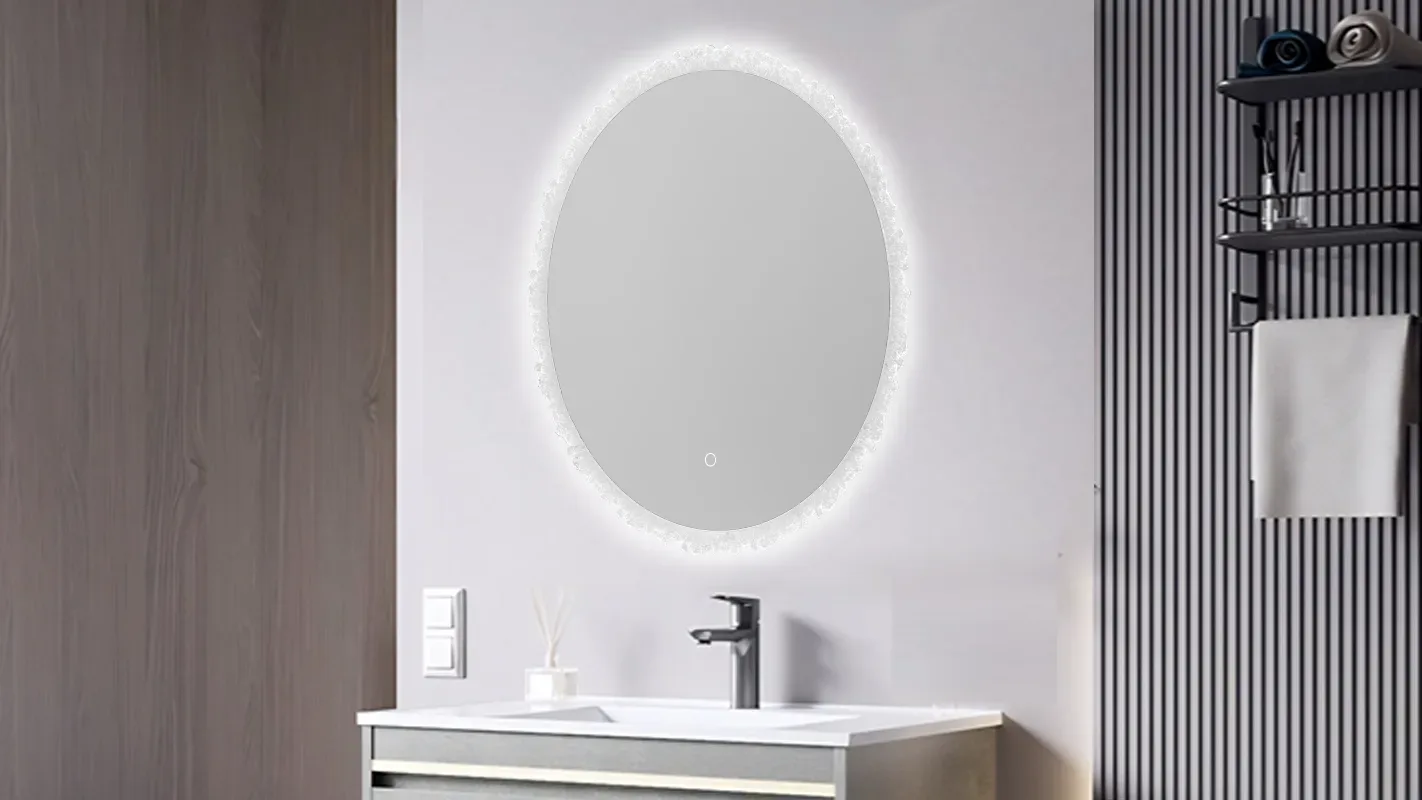
The primary function of an acrylic framed LED mirror is to provide flawless, shadow-free illumination. High-grade acrylic boasts a light transmittance rate of up to 92%—higher than standard glass. When LED strips are embedded within or behind an acrylic frame, the material acts as a highly efficient light diffuser. It softens the harshness of bare LEDs, delivering a uniform, glowing halo that is ideal for makeup application and grooming.
When selecting acrylic bathroom mirrors, many buyers also face another common question: What is the difference between backlit mirrors and mirrors with front-mounted LED lighting? There are significant differences between the two in terms of installation methods, light uniformity, and visual effects. We have written a dedicated comparison article for your reference: https://aosmay.com/2025/09/05/how-do-backlit-and-led-lighted-bathroom-vanity-mirrors-differ/.
1.2. Shatter Resistance and Liability Reduction
Safety is the foremost concern in public restrooms, hotels, and luxury multi-family apartments. Acrylic is exceptionally impact-resistant, withstanding up to 17 times the impact force of standard glass. If an acrylic bathroom mirror frame is struck, it will not shatter into dangerous, lethal shards. This significant reduction in liability makes it a preferred choice for commercial building codes.
1.3. Lightweight Efficiency for Large-Scale Installations
An acrylic framed LED mirror weighs approximately 50% less than a full-glass equivalent of the same volume. For construction contractors outfitting a 500-room resort, this weight reduction translates to faster, safer installations, lower shipping costs, and less structural strain on drywall or tile surfaces.
2. Structural Comparison: Glass vs. Acrylic Frames
To assist procurement teams in their decision-making process, the following matrix compares traditional glass-framed illuminated mirrors with modern acrylic alternatives:
Specification Criteria | Traditional Glass LED Mirror | Acrylic Framed LED Mirror | Commercial Benefit of Acrylic |
Light Diffusion | Good (Requires heavy frosting) | Excellent (Natural diffusion) | Eliminates LED “hot spots” entirely. |
Impact Resistance | Low (Prone to shattering) | Extremely High | Meets strict hospitality safety codes. |
Weight | Heavy | 50% Lighter | Reduces shipping and labor installation costs. |
Machinability | Limited (Hard to cut complex shapes) | High (CNC Precision Routing) | Allows for highly customized designer shapes. |
Thermal Insulation | Poor | Excellent | Reduces the chance of surface condensation. |
3. Popular Design Trends in the Acrylic Framed LED Mirror Market
As hospitality design moves towards sleek, futuristic aesthetics, the acrylic bathroom mirror has adapted. Here are the leading design trends dominating the 2026 commercial market:
3.1. Edge-Lit Minimalist Acrylic Frames
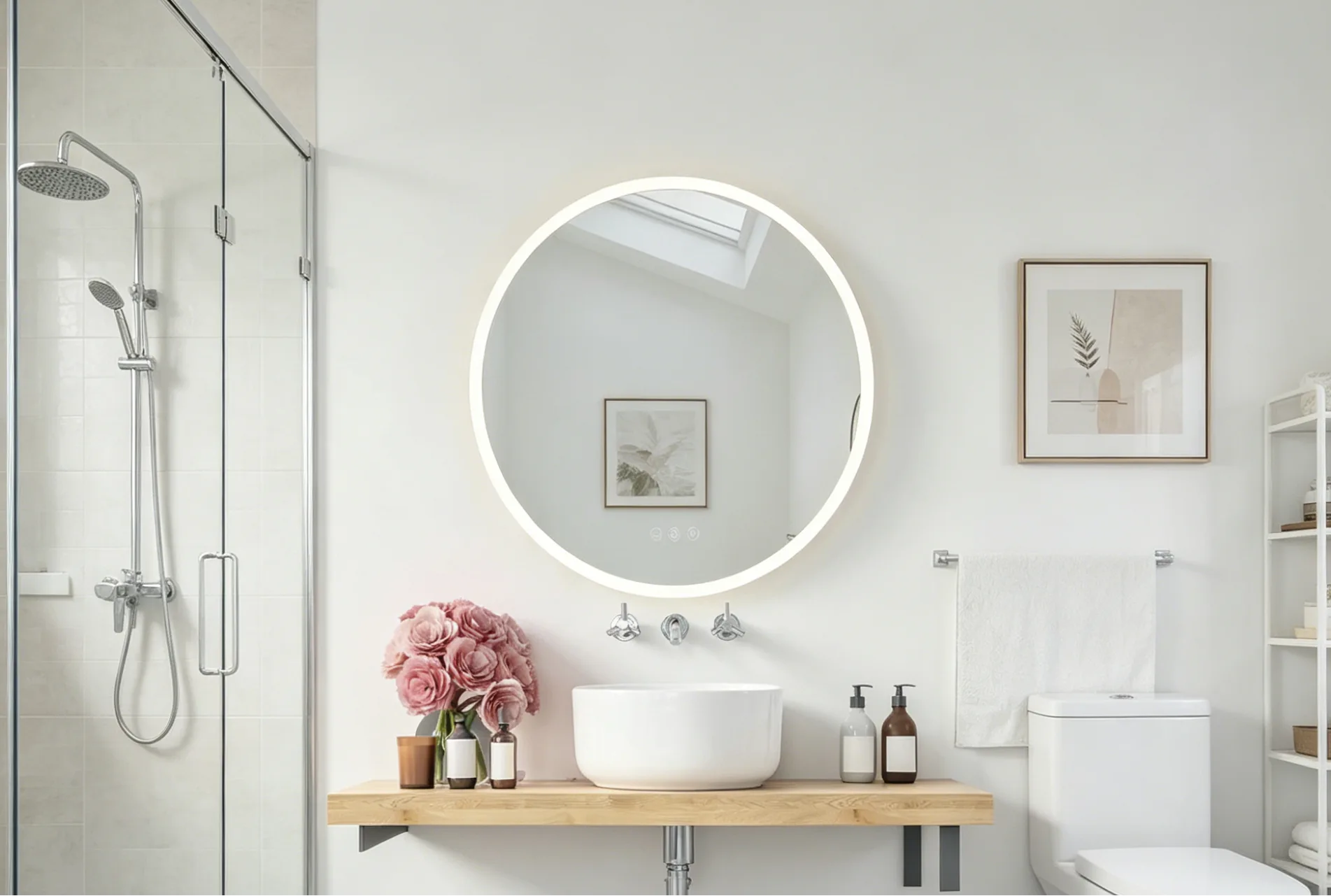
When the internal LEDs are activated, the entire acrylic edge illuminates, creating a floating, 3D lighting effect. This minimalist design is highly sought after in boutique hotels and upscale residential projects.
3.2. Tunable Color Temperature (CCT)
Personalized lighting is a massive trend in luxury hospitality. A high-end acrylic framed LED mirror now features tunable CCT technology. With a touch sensor, hotel guests can shift the illumination from a warm, relaxing 3000K (perfect for an evening bath) to a crisp 6000K daylight tone (ideal for precise morning shaving).
3.3. Smart Defogging Integration
In highly humid environments, an illuminated mirror is useless if covered in steam. Modern acrylic LED mirrors are integrated with ultra-thin PET heating pads. The excellent thermal properties of acrylic work in tandem with the defogger to ensure the mirror remains crystal clear, elevating the user experience and reducing the need for constant housekeeping wipe-downs.
4. The Aosmay Acrylic Framed Mirror: Engineering Excellence
Not all acrylic mirrors are created equal. The quality of the PMMA material, the precision of the cut, and the safety of the electrical components dictate the lifespan of the product. Drawing from 27 years of OEM/ODM manufacturing expertise, the Aosmay acrylic framed mirror represents the pinnacle of commercial-grade sanitary ware.
4.1. Diamond Polishing and CNC Precision
In our 50,000-square-meter dust-free facility, every Aosmay acrylic framed mirror undergoes advanced CNC routing. The acrylic edges are then treated with diamond polishing machines. This ensures a flawless, transparent finish that maximizes light refraction without any machining marks or rough edges.
4.2. UL and CE Certified Safety
Commercial projects require strict electrical compliance. Aosmay ensures that the high-lumen LED drivers and touch sensors embedded within the acrylic frame are fully sealed and IP44 waterproof rated. Every unit passes rigorous testing to meet UL (North America) and CE (Europe) standards, ensuring your project sails through municipal safety inspections.
5. Real-World Applications: Transforming Commercial Spaces
(Note: Replacing consumer anecdotes with professional B2B architectural case scenarios)
The versatility of the acrylic bathroom mirror has led to its rapid adoption across various high-value commercial sectors.
Case Scenario 1: Global Luxury Hotel Chains
Upscale hotel brands utilize the acrylic framed LED mirror to create a signature look across their global properties. By utilizing edge-lit acrylic designs, hotels provide guests with high-CRI (Color Rendering Index) lighting for makeup application. Furthermore, the shatter-resistant nature of acrylic drastically reduces maintenance replacements caused by guest luggage impacts or housekeeping accidents.
Case Scenario 2: High-Density Urban Condominiums
For multi-family housing developers, space and cost-efficiency are critical. Specifying a standardized Aosmay acrylic framed mirror for a 300-unit condominium project offers massive logistical advantages. The lightweight nature of the mirrors allows a small team of electricians to install dozens of units a day, significantly accelerating the project timeline and reducing labor costs.
Case Scenario 3: Luxury Cruise Ships
In the maritime hospitality sector, weight reduction and vibration resistance are paramount. The lightweight and flexible nature of acrylic frames prevents the micro-cracking often seen in traditional glass mirrors when exposed to the continuous engine vibrations of a cruise liner.
6. Comprehensive Maintenance and Installation Protocol
To ensure the longevity of an acrylic bathroom mirror, facility managers and contractors must adhere to specific handling guidelines.
6.1. Commercial Installation Guidelines
Because acrylic is lighter than glass, mounting is generally simpler. However, contractors must ensure that the Z-bar or mounting brackets are perfectly level. The electrical connection should always be performed by a licensed professional, utilizing the pre-installed waterproof junction boxes on the rear of the mirror chassis.
6.2. The Golden Rule of Acrylic Maintenance
The most critical factor in maintaining an acrylic framed LED mirror is the cleaning protocol.
Warning: Never use ammonia-based glass cleaners (like standard window sprays) on acrylic surfaces. Ammonia will cause the polymer to undergo “crazing”—a network of tiny, cloudy micro-cracks that ruins the light diffusion.
- Best Practice: Facility housekeeping teams should be instructed to use only warm water, a few drops of mild dish soap, and a premium microfiber cloth to gently wipe the acrylic frame and mirror surface.
7. Frequently Asked Questions (FAQ)
Q1: Will the acrylic frame yellow over time?
A: Low-quality plastics yellow due to UV exposure. However, a commercial-grade acrylic bathroom mirror is manufactured using UV-stabilized virgin PMMA. This ensures the frame remains optically clear and brilliant for over a decade, even in sunlit bathrooms.
Q2: Is an acrylic framed LED mirror dimmable?
A: Yes. Most commercial units, including the Aosmay acrylic framed mirror, come equipped with integrated smart touch sensors that allow for stepless dimming (from 10% to 100% brightness), giving users complete control over their lighting environment.
Q3: Can we request custom shapes for a large hotel project?
A: Absolutely. Because acrylic is highly machinable compared to glass, OEM manufacturers can use CNC technology to create custom geometric shapes, pill-shaped ovals, or asymmetric designs tailored specifically to your architectural blueprints.
Q4: Can the acrylic-framed LED mirror be controlled via a wall switch?
A: Yes. Most commercial LED mirrors support wall switch control and are also equipped with touch sensors. For details on the LED mirror’s power control options (whether a wall switch is required, whether power-off memory is retained, etc.), please refer to our detailed technical specifications: https://aosmay.com/2025/10/16/do-led-bathroom-mirrors-turn-on-with-a-switch/.
8. Conclusion: Elevating Your Next Architectural Project
The transition from traditional fixtures to the modern acrylic bathroom mirror marks a significant leap forward in commercial interior design. By offering unparalleled light diffusion, exceptional impact safety, and lightweight installation, the acrylic framed LED mirror solves multiple B2B procurement challenges simultaneously.
For contractors, wholesalers, and designers looking for a reliable manufacturing partner, selecting a product with proven factory pedigree is essential. The Aosmay acrylic framed mirror combines state-of-the-art polymer engineering with certified electrical safety, ensuring your commercial spaces shine brilliantly for years to come.
[Explore our complete collection of Acrylic LED Mirrors] or [Contact our OEM Engineering Team for project-specific custom quotes].