
In the global sanitary ware trade, the journey from the manufacturing floor to the final commercial job site is fraught with kinetic hazards. When dealing with high-value architectural glass and delicate electromechanical components, the margin for logistical error is zero.
According to the 2026 Global Freight and Logistics Risk Report, transit-related damage accounts for up to 14% of revenue loss in cross-border fragile goods shipments. Furthermore, inefficient packaging design leads to inflated volumetric weight, artificially driving up the landed cost of every single unit inside a shipping container.
For wholesale distributors and hospitality procurement directors, optimizing OEM bathroom mirror packaging is not merely a logistical necessity; it is a critical strategy for protecting profit margins. This whitepaper delves into the physics and economics of advanced packaging engineering, illustrating how a premier manufacturer helps B2B clients maximize container density while achieving a zero-breakage transit record.
1. The Physics of Impact: Material Science in Bulk Bathroom Mirror Shipping
The fundamental goal of protective packaging is kinetic energy dispersion. When a heavy-duty pallet experiences a sudden drop or forklift impact, the packaging must absorb the shockwave before it reaches the 5mm copper-free silver glass or the isolated LED drivers.
Outdated Materials vs. Modern Polymers
Historically, the industry relied on EPS (Expanded Polystyrene) foam for bulk bathroom mirror shipping. However, EPS is brittle; upon a significant impact, it fractures and loses its protective integrity, leaving the mirror vulnerable to secondary shocks.
Modern commercial packaging has transitioned to EPE (Expanded Polyethylene) high-density foam. EPE is a highly resilient, closed-cell polymer that acts as a kinetic shock absorber. It compresses under force and immediately rebounds, providing multi-impact protection. By custom-molding EPE foam to precisely cradle the exact geometry of the mirror chassis, engineers eliminate internal micro-vibrations—the leading cause of hairline glass fractures during trans-Pacific ocean freight.
The Honeycomb Structural Advantage
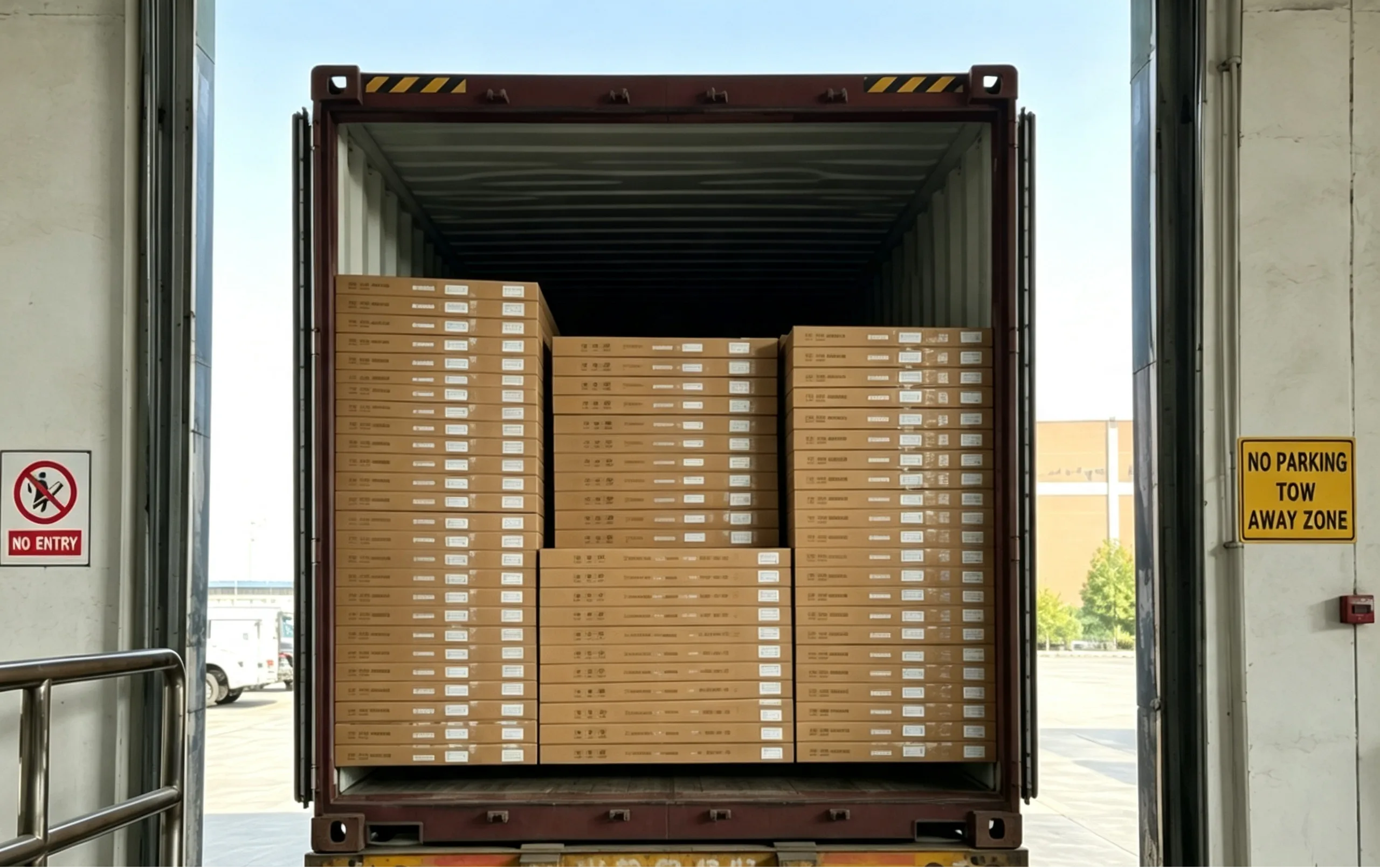
To protect the exterior of the package from crushing forces, advanced factories utilize heavy-duty honeycomb corrugated cardboard. Mimicking one of nature’s strongest geometric structures, hexagonal honeycomb panels provide extraordinary vertical load-bearing capacity. This allows distributors to stack pallets higher in their regional warehouses without the risk of the bottom cartons collapsing, drastically improving spatial efficiency.
2. Volumetric Optimization: Maximizing Container Yield
In 2026, ocean freight rates dictate that you are paying for space just as much as you are paying for weight. If a packaging design includes excessive “dead air,” the buyer is effectively paying to ship empty space.
A key optimization strategy involves focusing strictly on the essential architectural elements. By exclusively manufacturing the upper mirror and wall-cabinet portion—and strictly avoiding the inclusion of bulky bottom vanities or sink bases—the overall packaging profile remains incredibly sleek. This allows the factory’s packaging engineers to minimize the depth of the carton.
By shaving just two inches off the packaging depth through precise EPE foam molding and the removal of unnecessary retail display elements, a factory can often increase the total unit capacity of a 40-foot High Cube (40HQ) container by 15% to 20%. For a high-volume B2B buyer, this volumetric optimization translates directly into thousands of dollars saved in freight equalization per order.
3. Protecting the Core: Securing an Aosmay Bathroom Mirror with Light
When a global developer specifies an Aosmay bathroom mirror with light, they are procuring a sophisticated piece of electromechanical architecture. The packaging must protect not just the physical structure, but the electrical components from the harsh environmental realities of trans-Pacific ocean transit.
Aosmay’s packaging protocols are engineered around the strict physical realities of our products:
- Surface Friction & Anti-Scratch Protocols: The premium 5mm copper-free silver glass requires absolute protection against micro-abrasions caused by transit vibrations. Before entering the carton, the entire glass surface is sealed with a residue-free electrostatic protective film. This shields the pristine reflective surface from cardboard dust and friction, ensuring a flawless reveal at the job site.
- Atmospheric and Moisture Defense: Ocean freight exposes cargo to extreme humidity and salt fog. To protect the integrated electrical systems, the entire mirror unit is enclosed in a heavy-duty, moisture-barrier PE bag. Industrial-grade silica desiccants are strategically placed inside to absorb ambient moisture, ensuring the UL/CE certified LED drivers and wiring remain completely dry and corrosion-free throughout the 30-day journey.
- Heavy-Duty Chassis Armor: Because our products utilize substantial, rust-proof metals (such as anodized aluminum, premium stainless steel, or powder-coated iron) rather than lightweight plastics, the units carry significant mass. To prevent the metal chassis from shifting and piercing the carton during violent ocean swells, the packaging integrates rigid L-shaped edge guards and impact-resistant corner blocks. This structural armor locks the heavy frame securely in the center of the carton.
4. The Engineering Baseline: Drop-Test Certification Matrix
To provide absolute procurement security, commercial packaging must move beyond theoretical protection and pass rigorous standardized testing. The following matrix outlines the difference between standard retail boxing and optimized export packaging.
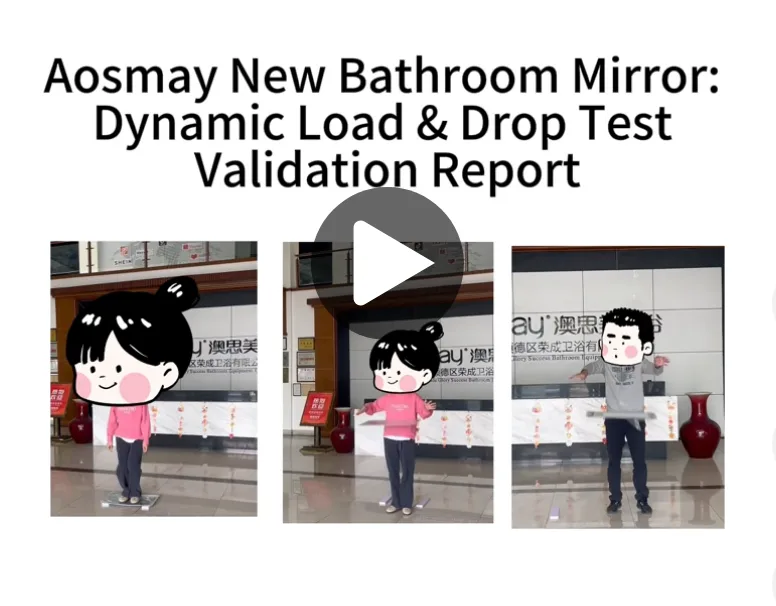
Commercial Packaging & Transit Security Matrix
Packaging Parameter | Standard Retail Sourcing | Optimized B2B Export Standard |
Primary Cushioning | EPS (Styrofoam) – Brittle, prone to shattering | High-Density Custom EPE Foam – Multi-impact shock absorption |
Exterior Carton | Standard 5-Ply Corrugated | Heavy-Duty Honeycomb Cardboard – High vertical crush resistance |
Edge & Corner Defense | Thin cardboard sleeves | Rigid L-Shape Edge Guards & Custom Foam Corners |
Moisture Control | None | Sealed Anti-Static PE Bag with Industrial Silica Desiccants |
Certification Standard | Basic visual inspection |
5. Eco-Compliance: Navigating 2026 Environmental Regulations
Beyond physical protection, global procurement teams must now navigate stringent environmental legislation. In 2026, markets across the European Union and North America are aggressively taxing or outright banning single-use, non-recyclable packaging plastics (such as traditional EPS).
An optimized packaging solution anticipates these regulatory hurdles. By utilizing 100% recyclable honeycomb cardboard and reducing reliance on mixed-material plastics, a responsible manufacturing partner ensures that your bulk bathroom mirror shipping clears customs smoothly. Furthermore, it significantly reduces the waste disposal costs for the general contractor at the final job site, adding a hidden layer of financial value to the project.
6. Conclusion: Packaging as a Strategic Asset
In the high-stakes environment of commercial real estate and wholesale distribution, poor packaging is a silent margin killer. It inflates shipping costs through volumetric inefficiency and destroys revenue through transit breakage.
By partnering with a manufacturer that treats OEM bathroom mirror packaging as a rigorous engineering discipline rather than an afterthought, buyers can fundamentally alter their logistical economics. Utilizing advanced material science, rigorous ISTA drop-testing, and aggressive volumetric optimization ensures that your high-end architectural fixtures arrive flawlessly, maximizing your container ROI and protecting your brand’s reputation on the job site.
[Contact Our Logistics Team to Request a Container Loading Report] or [Explore the Engineering Specifications of Aosmay Lighted Mirrors].
7. FAQS
- What is OEM bathroom mirror packaging?
OEM bathroom mirror packaging is a customized protective packaging solution designed specifically for a mirror’s size, structure, and shipping method. Unlike standard cartons, it uses engineered cushioning, reinforced corners, and moisture protection to reduce transit damage during international transportation.
- How can I reduce damage during bulk bathroom mirror shipping?
The best way to reduce damage in bulk bathroom mirror shipping is to use custom EPE foam, honeycomb cartons, rigid corner protection, and moisture-resistant packaging. Buyers should also choose manufacturers that perform standardized drop tests before shipment.
- How does Aosmay bathroom mirror with light packaging protect electrical components?
Every Aosmay bathroom mirror with light is packaged with anti-static PE bags, silica gel desiccants, reinforced foam supports, and secure frame protection. These measures help prevent moisture, vibration, and impact damage during long-distance ocean freight.
- Is eco-friendly packaging important for European and North American markets?
Yes. Many buyers now prefer recyclable materials that comply with environmental regulations. Modern OEM bathroom mirror packaging increasingly replaces traditional EPS with recyclable honeycomb cardboard and more sustainable protective materials.