
The international sanitary ware market has never been more unforgiving. In today’s fast-paced distribution networks and tight construction schedules, importing fixtures in bulk is no longer just about filling a warehouse—it is about protecting your brand’s reputation.
Whether you are a regional distributor supplying hundreds of local plumbing showrooms in Europe, or a real estate developer outfitting a new luxury apartment complex in North America, a single misstep during the vendor vetting process is multiplied by every unit in your shipping container. A minor specification oversight can instantly snowball into soaring return rates (RMAs), failed municipal inspections, or alienated retail customers.
When sourcing a commercial bathroom medicine cabinet, inexperienced buyers often focus solely on the exterior aesthetic. However, seasoned procurement directors know that true profitability lies in the hidden engineering, regional compliance, and logistical frameworks.
Based on 2026 global sourcing trends and 27 years of professional experience in OEM/ODM manufacturing, this risk management playbook exposes the top seven catastrophic mistakes buyers make when placing bulk orders, and explains how to secure a fail-safe supply chain.
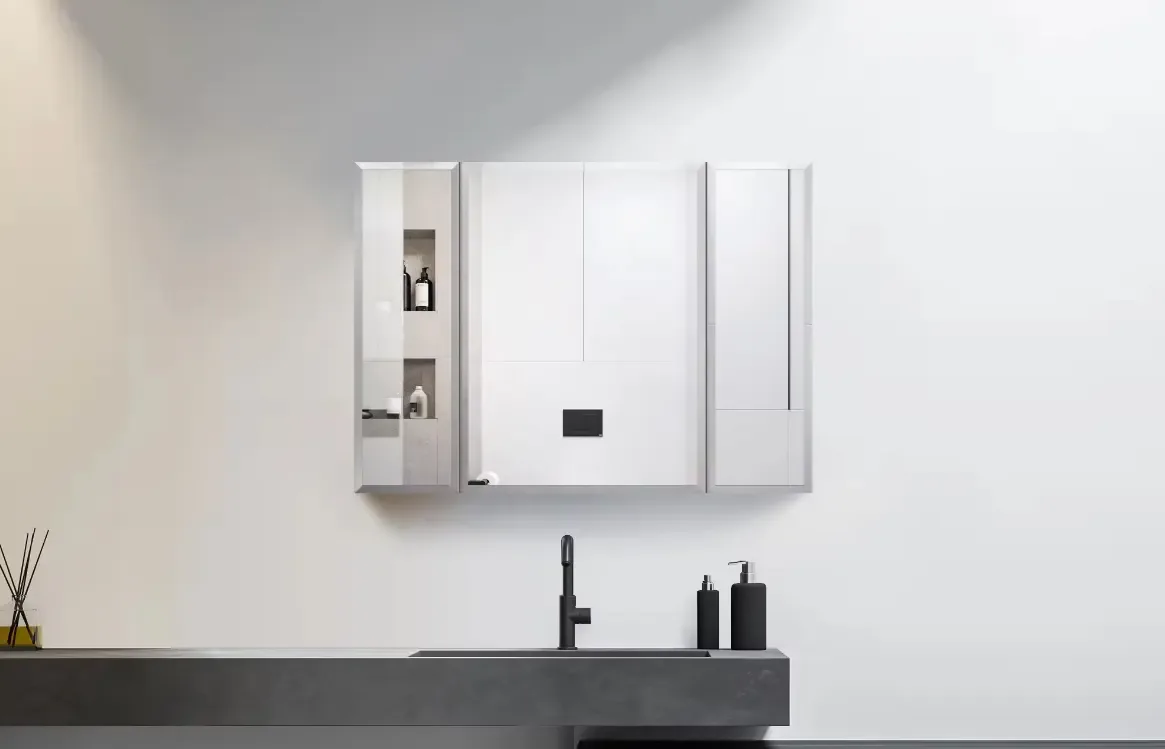
Pitfall 1: Fixating Exclusively on the Lowest Price Tag (Ignoring TCO)
The most common and destructive mistake in bulk procurement is the “Race to the Bottom.” Buyers often select a manufacturer strictly because they offer the absolute lowest initial quote per unit.
The Hidden Risk: In commercial manufacturing, a rock-bottom price guarantees compromised internal engineering. Cheap suppliers secretly downgrade the glass thickness, use zinc-alloy hinges that warp within months, or utilize non-waterproofed backboards. While a distributor might save $15 per unit upfront, the Total Cost of Ownership (TCO) explodes when end-users start returning rusted cabinets, or when developers have to dispatch maintenance teams to fix sagging doors. Elite buyers prioritize lifecycle durability over initial cheapness to protect their profit margins from catastrophic after-sales costs.
Pitfall 2: Failing to Match Core Bathroom Medicine Cabinet Materials to the Target Market
Assuming all metal cabinets sell equally well everywhere is a fatal strategic error. Different global markets have vastly different architectural climates and consumer needs.
The Hidden Risk: If a EU distributor imports standard untreated iron cabinets, the notoriously damp European climate will cause them to rust within months, destroying the distributor’s local reputation. When placing bulk orders, procurement teams must explicitly verify the material based on their target region. For instance:
- Powder Coating Bathroom Medicine Cabinet: Ideal for North American distributors selling to standard dry-wall residential apartments.
- Aluminum Bathroom Medicine Cabinet: The ultimate choice for EU, Australian, or Middle Eastern markets where lightweight, 100% rust-proof fixtures are mandatory.
- Stainless Steel Bathroom Medicine Cabinet: The strict baseline for developers outfitting 5-star hospitality projects globally.
Pitfall 3: Underestimating Export Packaging and Local Compliance
You have successfully negotiated the materials, but if you fail to verify the packaging protocols, your entire order might arrive as a container full of shattered glass. Furthermore, in 2026, how it is packed is just as important as how safe it is.
The Hidden Risk: Standard domestic packaging is utterly incapable of surviving a trans-Pacific ocean freight journey. Buyers must demand rigorous Drop-Tested Packaging protocols utilizing high-density custom EPE foam and heavy-duty corrugated export cartons. Additionally, European distributors must now ensure that the packaging complies with strict new EU packaging waste directives, favoring recyclable corrugated materials over excessive unrecyclable plastics.
Pitfall 4: Bypassing Mandatory Electrical Safety Certifications
In the era of illuminated smart fixtures, safety certifications are not optional marketing badges; they are absolute legal requirements for both importation and installation.
The Hidden Risk: Uncertified electrical components in wet zones are severe fire and electrocution hazards. If you are importing to the United States, your fixtures must carry UL or ETL certifications. If you are a distributor in Europe, lacking CE or RoHS marks will result in your containers being seized at customs, or your products being legally banned from retail shelves. Never assume a factory holds these certifications—demand the official documentation before transferring any deposit.
Pitfall 5: Misaligning Installation Methods with End-User Framing
Buying a beautiful cabinet that cannot physically be installed into your target market’s walls is a procurement manager’s worst nightmare.
The Hidden Risk: Buyers often order cabinets without consulting regional building standards.
- Recessed Installation: Highly demanded by US contractors because the cabinet hides inside standard 16-inch drywall studs, saving space. However, if a European distributor buys only recessed models, they will struggle to sell them, as EU homes often feature solid brick or concrete walls.
- Surface-Mounted Installation: The universally accepted method for solid walls and easy retail upgrades.
Always verify your specific market’s framing habits and specify the correct installation type for your bulk SKUs.
Pitfall 6: Overlooking LED Lifespan and Smart Component Degradation
According to 2026 B2B search data, one of the highest complaints from wholesale buyers is the premature failure of electronic components in illuminated cabinets.
The Hidden Risk: Cheap manufacturers use low-lumen LED strips with poor heat dissipation. Within a year, the lights suffer from “lumen depreciation” (turning dim or yellow), and the anti-fog heated pads burn out. Distributors are then flooded with warranty claims. Professional buyers must specify high-CRI LEDs (>90) and ensure the metal chassis acts as an efficient heat sink to guarantee a 50,000-hour electronic lifespan.
Pitfall 7: Leaving After-Sales Liability Undefined for Custom Order Medicine Cabinets
A bulk order contract is incomplete if it only dictates what happens before the container leaves the port. What happens when things go wrong?
The Hidden Risk: If a batch of hinges fails, or if 5% of the mirrors arrive cracked due to poor factory packaging, who absorbs the cost? Buyers who fail to establish clear after-sales protocols are often left abandoned by “fly-by-night” trading companies. Professional procurement requires establishing clear warranties on hardware durability and defining exact liability clauses for transit damage before the initial order is finalized.
FAQs: What Global Buyers Are Asking Now
Q1: What is the failure rate of defogger pads in wholesale bathroom medicine cabinets?
A: In cheap retail-grade units, defoggers often burn out within 12-18 months due to poor moisture sealing. Commercial-grade units engineered by top factories utilize fully sealed, IP44-rated PET heating pads designed to last the entire lifecycle of the cabinet without short-circuiting.
Q2: Should distributors stock aluminum or steel bathroom medicine cabinets?
A: To maximize retail turnover, distributors should stock Aluminum for coastal areas, high-humidity climates (like the EU), or DIY consumer markets, as it is lighter and 100% rust-proof. Steel is better stocked for commercial contractors outfitting large, dry indoor apartment projects where heavy-duty rigidity is the priority.
Q3: How do I verify if a factory’s UL or CE certification is legitimate?
A: Always ask the manufacturer to provide the actual certificate number and the test report from the laboratory. You can then verify these numbers directly on the official UL or CE registry databases. Top-tier manufacturers will provide these documents proactively.
The Aosmay Bathroom Medicine Cabinet Guarantee: Engineering Out Risk
Successfully navigating the complexities of bulk sanitary ware procurement requires partnering with an OEM powerhouse that actively engineers out risk. Global developers, luxury hotel chains, and major plumbing distributors consistently specify an Aosmay bathroom medicine cabinet because our commercial protocols are designed to protect your investment.
When buyers initiate custom order medicine cabinets with Aosmay, they are not just buying a product; they are securing a fail-safe global supply chain:
- Uncompromising Material Transparency: We offer complete control over your market strategy, allowing buyers to specify heavy-duty Powder-Coated Iron, rust-proof Anodized Aluminum, or premium Stainless Steel.
- Global Electrical Compliance: Every illuminated fixture we manufacture carries the exact certifications required for your region (UL/ETL for North America; CE, RoHS, IP44 for Europe), guaranteeing smooth customs clearance and retail legality.
- Drop-Tested Security: Our logistics team utilizes heavy-duty, drop-tested commercial packaging, ensuring your bulk order survives the harshest international ocean freight routes without glass breakage.
- Defined Reliability: We back our engineering with empirical data. Our commercial-grade hinges undergo 88,000-cycle fatigue testing, and our LEDs are rated for maximum lifespan, ensuring that your after-sales maintenance costs and retail return rates remain virtually zero.
Conclusion: Procure with Confidence
Buying bathroom fixtures in bulk should not feel like a gamble. When procurement teams fixate solely on the lowest price while ignoring material integrity, regional compliance, and packaging standards, they inevitably pay the price in alienated customers and ruined reputations.
By understanding these seven critical mistakes and partnering with a transparent, highly certified manufacturing expert, B2B buyers—from local distributors to global developers—can secure their profit margins and deliver flawless products to their markets.
[Explore the Fully Certified Catalog of Aosmay Bathroom Medicine Cabinets] or [Contact Our Engineering Team for Custom Bulk Order Specifications].