
The bathroom industry is entering a new phase where mirrors are no longer considered simple functional accessories. With growing demand for premium residential renovations, hospitality projects, and integrated bathroom solutions, more brands are expanding their product portfolios by developing their own bathroom mirror product line.
According to market forecasts from organizations including Research and Markets, Grand View Research, and Fortune Business Insights, the global bathroom mirror market is expected to maintain steady growth through 2026, supported by increasing adoption of LED lighting, smart home technologies, and modern interior design concepts.
For bathroom brands, adding mirrors creates an opportunity to increase product value, strengthen brand positioning, and provide customers with more complete bathroom solutions. However, building a successful mirror collection requires more than selecting attractive designs from an existing catalog.
A competitive product line requires careful SKU planning, reliable engineering, customization capabilities, manufacturing consistency, and a supplier that understands international market requirements.
This guide explains how bathroom brands can develop a scalable mirror collection, what factors should be considered during product planning, and how OEM manufacturing partnerships can support long-term growth.
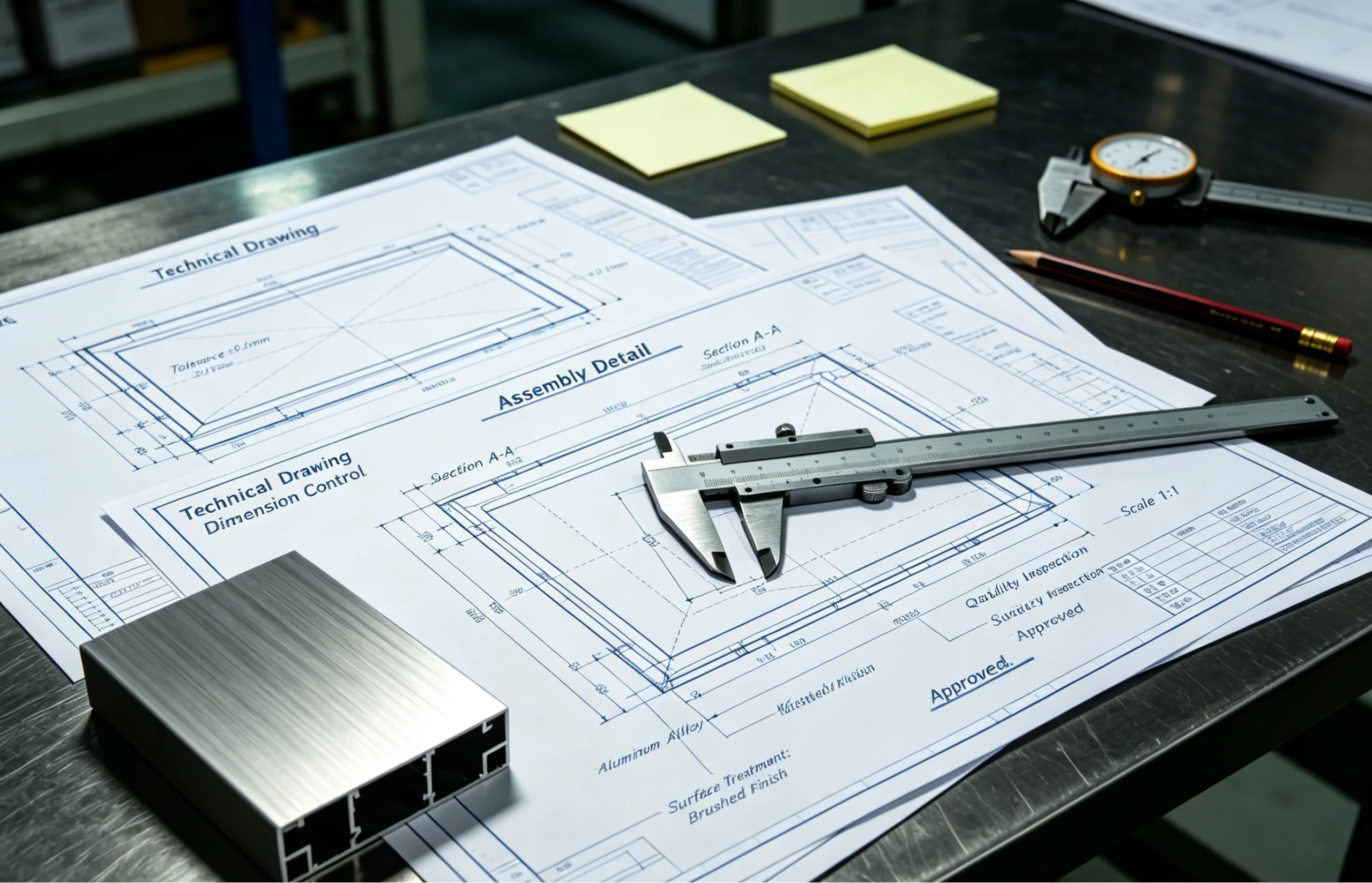
1. Why Developing a Bathroom Mirror Product Line Creates New Opportunities for Brands
Many bathroom companies traditionally focus on major categories such as faucets, showers, ceramics, or furniture. However, mirrors have become an increasingly valuable category because they combine functional performance with visual impact.
Unlike many bathroom products that are difficult to differentiate after installation, mirrors directly influence the atmosphere of the space through:
- Lighting quality
- Shape and proportion
- Surface design
- Smart functions
- User experience
For retailers and distributors, mirrors also offer advantages:
- Easier product upgrades compared with large bathroom fixtures
- More flexible customization options
- Multiple price positioning opportunities
- Compatibility with different bathroom styles
For example, a brand serving residential customers may develop a collection focused on minimalist frameless LED mirrors, while a hospitality supplier may prioritize durable illuminated mirrors with standardized dimensions and easy maintenance.
The key is not creating the largest number of products, but creating the right product structure.
2. How to Define the Right Bathroom Mirror Product Strategy
One of the most important decisions during product development is defining the target customer before selecting designs.
A common mistake among new brands is launching too many models without clear market positioning. This increases inventory pressure and makes production management more complicated.
Experienced brands usually develop product collections based on customer segments.
Market Segment | Product Strategy | Important Considerations |
Residential Retail | Popular designs with broad appeal | Size variety, easy installation, attractive functions |
Hospitality Projects | Reliable and standardized solutions | Durability, certifications, maintenance efficiency |
Property Developers | Cost-effective project collections | Stable supply, consistent specifications |
Premium Design Projects | Customized architectural products | Unique shapes, finishes, advanced lighting |
A well-planned product line normally includes several scalable tiers:
- Entry-Level Series: Designed for price-sensitive markets featuring standard LED lighting, common dimensions, and simple touch controls.
- Professional Series: Designed for distributors and renovation companies, featuring better lighting performance, integrated anti-fog functions, and higher-quality metal structures.
- Premium Series: Designed for hotels and luxury residences, featuring customized shapes, high-CRI (>90) lighting, advanced UI controls, and special architectural finishes.
3. How LED Bathroom Mirror Customization Helps Brands Build Differentiation
As competition increases, offering standard products alone makes it difficult for brands to create long-term recognition. This is why many companies invest in LED bathroom mirror customization as part of their core product development strategy. Customization allows brands to create products that perfectly match their own positioning instead of competing only through pricing.
OEM Customization Scope
Customization Area | Engineering Examples |
Product Design | Round, rectangular, capsule, or irregular geometric shapes. |
Lighting Metrics | Adjustable brightness, precise color temperature (CCT), and High CRI options. |
Smart Functions | Automatic anti-fog, capacitive touch sensors, integrated Bluetooth capabilities. |
Structure & Material | Rust-proof aluminum/stainless steel frames, special finishes, heavy-duty mounting solutions. |
Brand Identity | Laser-etched logos, bespoke export packaging, localized instruction manuals. |
However, successful customization requires balancing uniqueness with manufacturing feasibility. A design may look attractive during the concept stage but create challenges during mass production if components are difficult to source, assembly processes are too complicated, or packaging requirements are unsuitable for international shipping. Professional OEM manufacturers help brands evaluate these factors before mass production begins through rigorous Design for Manufacturing (DFM) processes.
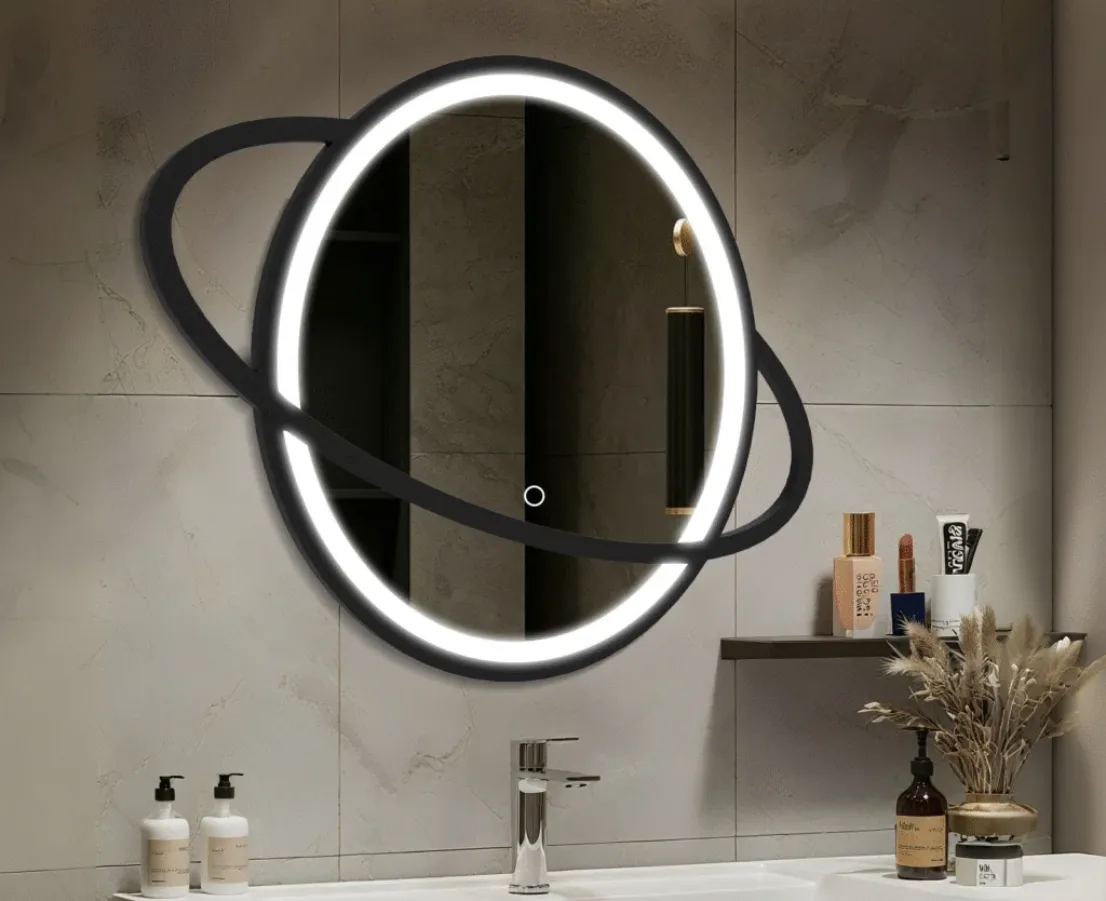
Aosmay 30×37 Inches Black Steel Powder-coated Frame LED Mirror
4. Selecting the Right OEM Partner for Long-Term Product Development
Choosing a manufacturer is one of the most important decisions when creating a mirror collection. A supplier that only provides existing products may support short-term purchasing, but a true OEM partner supports continuous product development and scaling.
Engineering Capability:
A reliable partner should deeply understand:
- Advanced mirror processing technology (e.g., copper-free silver glass to prevent oxidation).
- Isolated LED lighting systems and optical diffusion.
- International electrical safety requirements and compliance.
- Product structural optimization for heavy-duty commercial use.
Manufacturing Flexibility:
For growing brands, flexibility is often more valuable than maximum production volume alone. Important capabilities include mixed model production, custom sizing, comprehensive private label solutions, transit packaging customization, and rapid prototype development.
5. OEM Bathroom Mirror Development: Cost, MOQ, and Production Considerations
When developing a bathroom mirror product line through OEM manufacturing, brands need to evaluate not only product design but also development costs, MOQ requirements, production timelines, and supply chain reliability.
Understanding these factors helps brands reduce risks and create a scalable product portfolio.
5.1. Factors Affecting OEM Development Costs
The cost of developing custom bathroom mirrors depends on product design complexity, mirror size, premium structural materials, and the integration of smart features. Additionally, export packaging solutions (such as heavy-duty honeycomb cartons) are critical for protecting fragile glass during global ocean freight and will influence the final landed cost.
5.2. Navigating MOQ for Custom Mirrors
Minimum Order Quantities (MOQ) depend on the level of customization. Standard structural models with simple branding adjustments usually require lower MOQs, while fully customized shapes may require higher quantities due to initial engineering and CNC production setup. Launching a focused collection with several core models is often more practical for new brands to test the market while controlling inventory risks.
5.3. Development Timelines
A typical OEM process includes product requirement confirmation, engineering evaluation, prototype testing, and mass production preparation. Simple customization projects can move quickly, while entirely new structural designs or advanced smart integrations require additional testing. An experienced partner optimizes this timeline right from the drawing board.
6. How Aosmay Bathroom Mirror Factory Supports Global Brand Development
As an OEM/ODM manufacturer specializing in high-end LED bathroom mirrors and mirror cabinets, the Aosmay bathroom mirror factory supports global brands, distributors, and project suppliers that require precision customized product development.
Our collaborative development process typically includes:
- Product Concept Discussion: Understanding your target market, aesthetic positioning, required functions, and expected commercial price range.
- Engineering Development (DFM): Evaluating product structure, specifying lighting configurations, selecting optimal raw materials, and finalizing safe installation mounting systems.
- Prototype Verification: Rigorous checking of architectural appearance, functional performance, and transit packaging drop-test viability.
- Mass Production Support: Ensuring strict manufacturing consistency, electrical quality inspection, and a stable, scalable global supply chain.
7. Frequently Asked Questions About Developing a Bathroom Mirror Product Line
Q1: How long does it take to develop a custom bathroom mirror line? For standard LED bathroom mirrors with customized branding, development may take just several weeks. Highly complex products involving new metal structures, unique shapes, or customized electrical UI systems require a longer period for safe engineering and testing.
Q2: What certifications are required for international markets? Certification depends strictly on the target market. Common requirements include electrical safety certifications (UL/ETL for North America, CE for Europe), IP waterproof ratings for wet zones, and material compliance. Working with an experienced OEM partner helps bypass compliance bottlenecks.
Q3: What are the most important trends for bathroom mirrors in 2026? Development is heavily influenced by energy-efficient lighting, high-CRI illumination for accurate grooming, minimalist frameless architectural designs, and the integration of highly intuitive, user-friendly smart controls.
8. Conclusion
Developing a successful bathroom mirror product line requires more than adding another product category to your catalog. It demands a clear market strategy, thoughtful product planning, reliable engineering, and a manufacturing partner capable of executing at scale.
As bathroom design continues moving toward integrated luxury lighting and customized user experiences, brands that build their own well-engineered mirror collections will create much stronger differentiation in competitive markets. By working with experienced manufacturers like the Aosmay bathroom mirror factory, businesses can develop resilient, customized LED solutions designed specifically for global expansion.
Further Reading & Commercial Insights
To dive deeper into specific aspects of mirror manufacturing, feature selection, and real-world project applications, explore our specialized commercial guides below:
- Manufacturing Deep Dive: Learn the step-by-step production standards and engineering requirements in our guide to the Custom OEM Lighted Bathroom Mirror.
- Feature Selection: Unsure which smart functions provide the best ROI? Read The Ultimate Guide to Custom LED Mirror Features for Commercial Projects.
- Market Applications: Discover how different properties utilize architectural lighting in Exploring LED Light Mirror Commercial Applications in Hotels, Apartments, and Salons.